
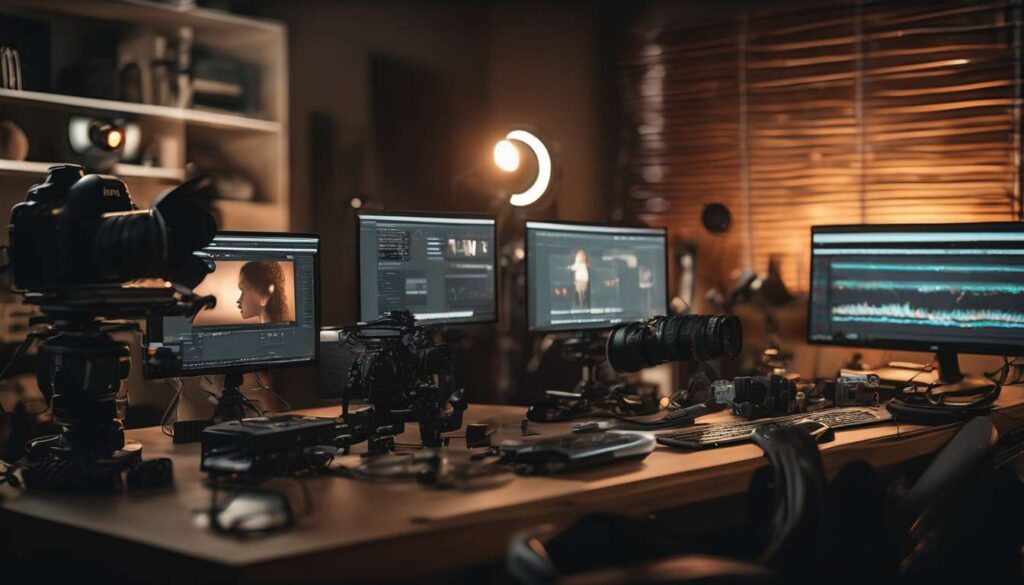
Growing sharper lines and richer color palettes distinguish premium adult content from its low-budget counterparts, and we find ourselves squarely in that divide.
As producers, consumers, and platform operators, we watch investment choices—cameras, lighting, codecs, postproduction—reshape audience expectations and market dynamics.
We compare high-definition intimacy to grainy relics not to romanticize nostalgia but to illustrate how technical choices influence storytelling, performer comfort, and monetization.
We compare studios that prioritize cinematography and sound design with those that cut corners, and we compare viewer retention, subscription rates, and brand trust across that spectrum.
These contrasts reveal where capital flows and where risk concentrates, exposing trade-offs between scale and quality, immediacy and craft.
By examining these differences, we aim to:
- Assess the economic rationale behind investing in video quality.
- Evaluate ethical and creative outcomes for performers and creators.
- Offer practical insights for stakeholders navigating an industry where image fidelity increasingly equals competitive advantage.
Market Forces Driving Quality
Consumer demand, platform competition, and technological advances are driving producers to invest in higher video quality.
Our community values professional, respectful content, so we prioritize video production quality from planning through delivery.
We coordinate tightly so shoots reflect clear standards, and we streamline postproduction to preserve image fidelity while keeping turnaround predictable.
Higher production standards support performer safety by normalizing rigorous protocols, such as:
- Informed consent procedures
- On-set medical measures
- Clear communication and documentation
Sharing practices and pooling resources builds trust and lowers barriers for smaller creators to meet expectations.
We adopt consistent technical standards to make collaboration painless across teams:
- Consistent file formats
- Agreed color pipelines
- Standardized metadata habits
We expect platforms to reward these investments with better discoverability and audience retention, and we push back against shortcuts that sacrifice dignity or security.
By doing so, we reinforce a community where creators, performers, and viewers belong to a market that values craft, ethics, and sustainable growth.
Camera and Lens Choices
When choosing cameras and lenses, we prioritize image characteristics and practical needs.
Key image characteristics:
- Resolution
- Dynamic range
- Depth of field
- Low‑light performance
Practical priorities:
- Ergonomics
- Reliability
- Budget
This ensures each shoot’s creative and safety needs are matched to the gear.
We select camera bodies for consistent video production quality and pair them with lenses that support storytelling while minimizing crew complexity.
- Bodies that deliver repeatable performance across takes
- Lenses that achieve the desired look without requiring excessive operators or complicated setups
This approach streamlines production and reduces on-set workload.
Compact, reliable rigs reduce setup time and improve safety.
- Lower trip hazards
- Less on‑set clutter
- Faster deployments
Smaller, well‑thought-out rigs keep performers and crew safer and scenes moving.
Lens choices balance image quality and operational flexibility.
- Prime lenses: crisp renders and precise shallow depth control.
- Zoom lenses: flexibility for faster coverage and tighter schedules.
Using the right mix of primes and zooms lets us hit visual goals while respecting time constraints.
Standardization and durability support postproduction and field reliability.
- Standardized mounts and metadata practices — ensure smooth editorial workflows, save hours, and maintain color consistency.
- Durable glass and weather‑sealed bodies — protect equipment and people, and reinforce collaborator trust.
By selecting gear that balances performance, ease of use, and longevity, we foster a professional, efficient, and safe production environment.
This creates a shared sense of professionalism and belonging while keeping shoots visually competitive.
Lighting’s Creative Impact
Lighting shapes mood, defines form, and guides viewer attention.
We choose setups that support storytelling while staying practical for our crews and performers.
We prioritize lighting that enhances video production quality without overcomplicating shoots.
- We select fixtures and modifiers that are reliable, repeatable, and easy to rig.
- We standardize color temperatures and metering to keep footage consistent.
- This standardization reduces burdens on the postproduction workflow.
Safety and efficiency are core design considerations.
- Keep cables tidy and minimize heat.
- Allow quick adjustments between scenes to maintain pace and comfort.
Collaboration and adaptability preserve creative intent.
- Crew and performers contribute ideas, and rigs are adapted to maintain comfort and creative goals.
We use contrast, selective fill, and motivated highlights to support storytelling.
- Thoughtful contrast conveys intimacy or drama.
- Motivated highlights reinforce brand identity and audience connection.
Shared templates and references speed up production and post.
- When teams share lighting templates and reference frames, grading and continuity are accelerated.
- This makes the whole process more efficient.
In short:
We treat lighting as a creative tool and a production discipline that strengthens outcomes, community, and professionalism.
Audio and Sound Design
Sound and sound design are foundational to immersion. We prioritize clear capture, purposeful mixing, and creative effects that support mood and narrative.
We capture clean dialogue and ambient detail with quality microphones and thoughtful positioning. This respects performer safety and comfort, creating an environment where everyone feels heard and secure.
Our approach treats audio as integral to video production quality, not an afterthought. Sound decisions are made alongside camera and direction choices to serve the story.
We design soundscapes that reinforce intention:
- Subtle room tone for intimacy
- Directional cues for spatial clarity
- Tasteful effects that enhance emotion without distracting
In postproduction we maintain organized tracks and consistent metadata. We also prioritize transparent communication so editors and mixers collaborate efficiently and inclusively.
We implement standards for monitoring levels and on-set communication. These practices ensure consent and wellbeing remain central during shoots.
By aligning technical rigor with respect for participants, we elevate viewer experience and build trust. This fosters long-term creative partnerships where creators and performers share responsibility for artistic quality and safety.
Postproduction and Color Grading
We finalize visual storytelling through disciplined editing and color grading that preserve intent, ensure consistency, and enhance mood without sacrificing naturalism.
In postproduction we prioritize a streamlined workflow that respects creative vision while keeping everyone included and informed.
We cut with purpose, matching shots to pacing and narrative beats so scenes feel cohesive and true to the performers.
Our color grading choices raise production quality by subtly harmonizing skin tones and environments, avoiding over-stylization that could distance audiences or misrepresent subjects.
We collaborate closely with performers and production staff to confirm looks feel respectful and authentic.
- This collaboration reinforces performer safety by preventing alterations that could compromise consent or portrayal.
Technically, we maintain clear version control, standardized LUTs, and calibrated monitors so teams across locations share the same reference.
- We document decisions and provide accessible feedback loops so every contributor belongs to the final image-making.
This disciplined, inclusive approach keeps quality high and trust intact throughout postproduction.
Distribution and Codec Decisions
We prioritize formats and delivery chains that preserve image and audio fidelity while balancing file size, compatibility, and platform requirements.
We choose codecs—HEVC, AV1, or high-bitrate H.264—based on target platforms and audience reach.
- This ensures video production quality translates from our postproduction workflow to consumer playback.
- We standardize export presets so teams share consistent quality expectations, which fosters trust and belonging among creators, editors, and distributors.
We evaluate container formats, bitrate ladders, and adaptive streaming (HLS/DASH) to optimize delivery across devices without fragmenting our catalog.
- Decisions factor in transcoding costs and turnaround times to keep the postproduction workflow efficient and predictable.
- We document compliance and metadata practices so partners can integrate assets smoothly.
We limit metadata exposure and ensure secure asset handling in distribution pipelines.
- While performer safety informs broader production policies, here we explicitly minimize sensitive metadata shared in distribution.
- Secure handling and access controls reduce risk while enabling necessary downstream workflows.
By aligning technical choices with shared values, we create a dependable ecosystem that supports both artistic standards and commercial viability.
Performer Safety and Comfort
We prioritize performers’ physical and emotional wellbeing by enforcing clear consent protocols, accessible on-set support, and confidential reporting channels.
We create a consistent environment where everyone feels seen and respected because belonging matters as much as technical excellence. Belonging and technical quality are linked: relaxed, confident performers deliver more natural performances, which simplifies postproduction and reduces costly reshoots.
Our safety and production procedures tie performer safety directly to video quality:
- We train crews on boundaries, communication, and emergency procedures.
- We schedule shoots to avoid fatigue.
- We provide on-set advocates and medical access.
- We document consent and limits before rolling cameras.
During postproduction, we preserve performer choices and safety metadata so editing respects agreed boundaries and streamlines compliance checks.
We measure and reinforce adherence to safety protocols through:
- regular feedback loops,
- debriefs,
- anonymous reporting.
By centering performer safety we build trust and improve morale, resulting in higher-quality content that reflects our commitment to ethical, professional production.
Return on Investment Metrics
We will track specific financial and operational metrics to quantify how investments in production quality translate into revenue, retention, and cost savings.
Key revenue and audience KPIs:
- Incremental revenue per title — measure additional income attributable to higher production values.
- Subscriber lift — track new and upgraded subscriptions following quality improvements.
- Average view time — correlate viewing duration with video production quality.
- Churn rates and repeat-purchase behavior — assess community loyalty and belonging driven by consistent quality.
We will monitor operational and safety metrics that affect cost and delivery.
Operational efficiency KPIs:
- Edits per hour — productivity of postproduction teams.
- Turnaround time — time from shoot to publish.
- Error rates — rework and quality-control failures that add cost and delay.
Performer safety and well‑being KPIs:
- Incident reports — logged safety events and near-misses.
- Comfort surveys — qualitative measures of performer trust and support.
- Talent retention and availability — fewer delays and lower recruiting/training costs when sets are safer and supportive.
We will aggregate KPIs into a unified ROI model to compare investments with outcomes.
ROI model components:
- Upfront investments — production upgrades, safety equipment, training, and staffing.
- Ongoing costs — maintenance, additional staffing, and operational overhead.
- Lifetime value gains — increased revenue per title, subscriber LTV improvements, and repeat purchases.
- Cost reductions — labor savings, fewer incidents, reduced rework, and faster time-to-market.
By sharing transparent metrics across teams we create alignment and accountability.
Expected benefits:
- Clear line-of-sight between craft improvements and income, motivating creative teams.
- Operational gains that reduce unit costs and speed delivery.
- Safer, more supportive production environments that retain talent and protect reputation.
- Cross-functional collaboration driving sustainable, measurable growth.
How do legal and regulatory changes (such as age verification laws or local obscenity rulings) affect long-term decisions about investing in video quality?
We’re asking how legal and regulatory changes affect long‑term investment choices.
When laws tighten, we’ll weigh compliance costs, market access, and reputational risk.
- Age verification or obscenity rulings raise barriers to entry and ongoing operation.
- We’ll budget for technology (age‑checks, geofencing), legal counsel, and increased compliance staff or consultants.
- We’ll assess possible market exclusions or higher operational costs that could reduce long‑term returns.
When rules relax, we’ll reassess ROI and scale back compliance spend.
- Reduced regulatory burden can improve margins and broaden market access.
- We’ll evaluate whether to reallocate compliance budgets into growth activities (marketing, expansion, R&D).
We’ll diversify distribution and maintain flexible production standards to adapt as regulations and consumer expectations evolve.
- Diversify channels and geographies to reduce single‑market regulatory exposure.
- Keep production and content standards adaptable so changes in law or taste can be implemented quickly.
- Maintain ongoing monitoring of legal trends and a contingency reserve to respond to sudden changes.
What are the ethical considerations around consent and depiction that go beyond on-set safety, and how should they influence production values and editorial choices?
We prioritize ongoing, informed consent, transparent performer control over footage, and fair compensation tied to distribution.
Consent and depiction extend beyond on-set safety and shape our creative and editorial choices. This means we avoid exploitative framing, stereotyping, or deceptive editing, and we credit and respect boundaries in storytelling.
We embed consent documentation, accessible opt-out mechanisms, and community feedback into production and editorial workflows to foster dignity, trust, and belonging.
Key practices include:
- Maintaining clear, documented consent that is revisited as projects evolve.
- Giving performers transparent control over how their footage is used and distributed.
- Linking compensation to levels of distribution and use.
- Implementing accessible opt-out and withdrawal processes.
- Incorporating community feedback loops to address concerns and improve practices.
How do audience demographics and platform algorithms interact to shape what “quality” means for different segments of the adult market?
We’re asking how audience demographics and platform algorithms interact to shape what “quality” means for different segments.
Demographics drive content preferences. Age, orientation, culture, and income influence what viewers perceive as valuable — from tone and pacing to topics and representation.
Algorithms amplify engagement signals. Platform recommendation systems favor the formats and styles that active cohorts engage with, reinforcing trends and elevating content types that generate clicks, watch time, and shares.
Prioritize inclusivity by balancing niche authenticity with broader appeal.
- Identify and preserve the elements that make niche creators authentic.
- Adapt presentation (metadata, thumbnails, short-form clips) to increase discoverability without diluting voice.
- Test variations to find formats that retain core fans while inviting new audiences.
Collaborate with platforms to surface diverse voices.
- Advocate for algorithmic adjustments and evaluation metrics that reward diversity and long-term value, not just immediate engagement.
- Use platform tools (closed captions, translations, category tagging) to expand reach across demographics.
Goal: ensure everyone feels seen and respected. Harmonize demographic insights and algorithmic realities to define “quality” in ways that honor authenticity, improve access, and foster equitable visibility.
Conclusion
You’ve seen how market forces push you to invest in better cameras, lenses, lighting, audio, and postproduction to stand out.
Smart distribution and codecs protect quality in delivery.
Prioritizing performer safety and comfort isn’t just ethical — it improves performance and lowers risk.
Track ROI with clear metrics so you can justify upgrades and refine choices.
Ultimately, thoughtful investments in technical and human factors raise your product’s value and long-term returns.